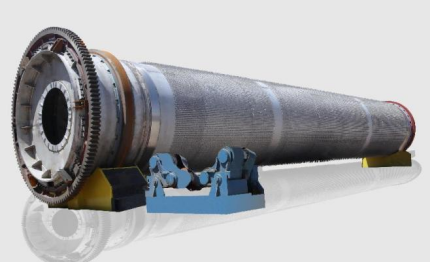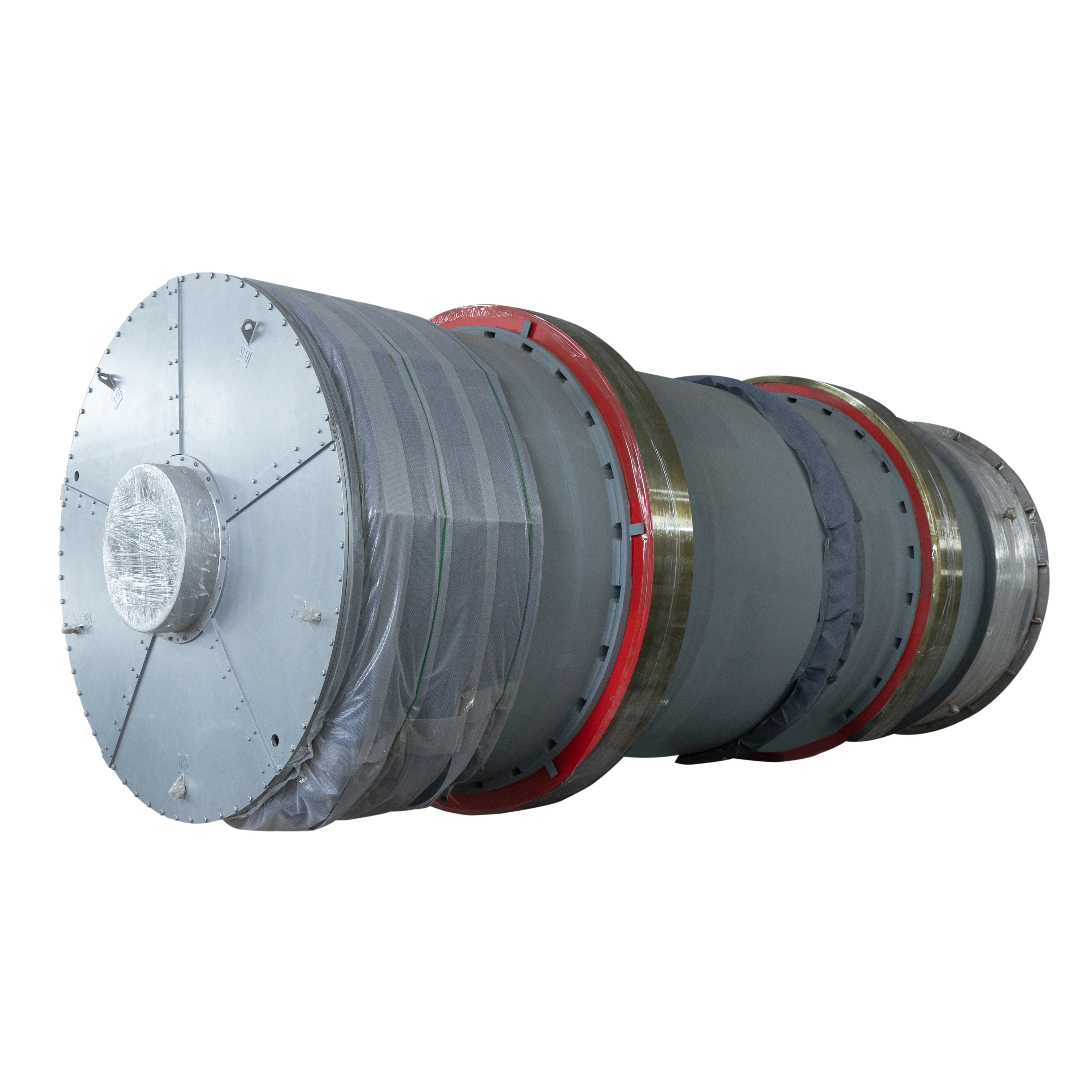
Calcificatio est processus clavis, dum calcaria ad altissimas temperaturas calefiunt. Calcarium calefit ut impuritates exureantur in processu qui calcificatio vocatur, materiaque purior fiat. Majorem puritatem calcarii pro pluribus applicationibus requirunt. Fornices rotundi saepe ad idonee performandum hoc processum utuntur. Id quod sint machinae exoticae bene ad gerendum temperaturam et materiales accommodatae. Intellegere processum calcificationis in fornicibus rotundis est critical pro professionalibus laborantibus in sectoribus talibus ut fabricatio cementi et calx, ubi calcarium altae qualitatis in demanda est.
Sunt multae causae quae calcinationis processum calcaris in forno rotatorio possunt influere. Unus elementus crucialis est ipsa structura calcaris. Material calcareum provenit ex multis fontibus et varietatibus, quod iterum possit affectare proprietates processus calcinationis. Tertium elementum est magnitudo et forma particulae calcaris. Ut calefactio efficax sit, fragmenta neque nimis magna esse debent, neque forma conveniente careant.
Item velocitas rotationis fornacis est etiam magna significatione praedita. Fornax peritia calibrata rotatebitur ad iustum ratem ut certum fiat ut calx sit uniformiter calefacta. Temperatura quoque ad quam calx calefit momenti est. Oportet ut sit satis alta ut immundicia tollat sed non tam alta ut calcem destruat. Processus calcinationis etiam ab praesentia oxygenis in fornace, directo combustibili ad calefaciendum fornacem, et tempore residentiae calcis ad temperaturam calcinationis affectus potest esse.
Temperatura est conditio importantis calcinationis calcaris. Calcar calcinatus debet produci ad temperatura precise ut maneat alta qualitate, etiam in limitibus caloris. Si temperatura fornacis est nimis bassa, calcar non est perfecte processus, significans quod possunt esse impuritates in eo. Tamen, si temperatura fit nimis alta, calcar potest fieri nimis coctum, quod etiam causabit eius vim excedere limites suos et minuere eius utilitatem.
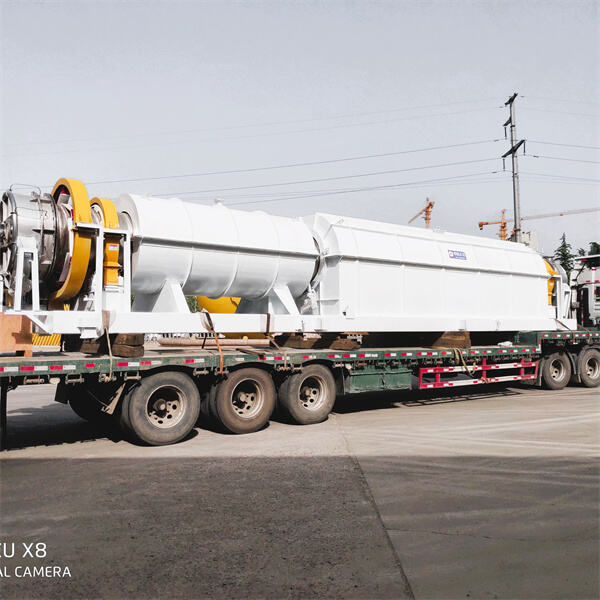
Fornaces rotantes sunt etiam efficientes in energia praeterquam se praebere altum gradum controlis. Hoc significat quod possunt generare calorem quem necessitant dum perdunt parvam energiam, quod prodest tam environment quam finem economicum. Propter eorum altam versatilem naturam, possunt utilisari in multis differentibus environmentis. Praeterea, sunt scalabiles, quod facit possibilem adaptare eorum magnitudinem et capacitatem secundum necessitates variarum industriae.
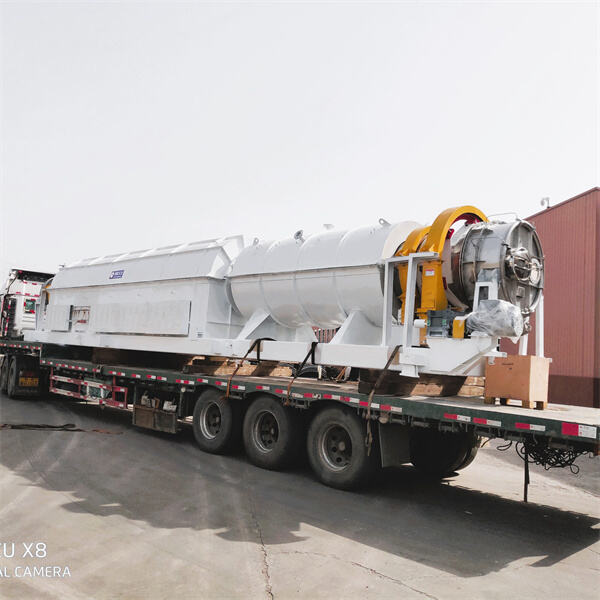
Haec quaestio est levi rephrased quod nos exercemus et discimus data usque ad Octobrem, 2023. Primum omnium, unus debet considerare compositionem calcis, et principales productores calcarum sunt in eo loco qui fit per sursum fluenta, quia hoc duxit ad fertilis terram, ita etiam faciet te occurrere materiae necessariae. Hoc est quod genus calcis possit habere magnum impactum super efficientiam et effectivitatem processus calcinationis. Diversa genera calcarum fortassis indigent variis temperaturis aut rotationibus pro optima temperatione.
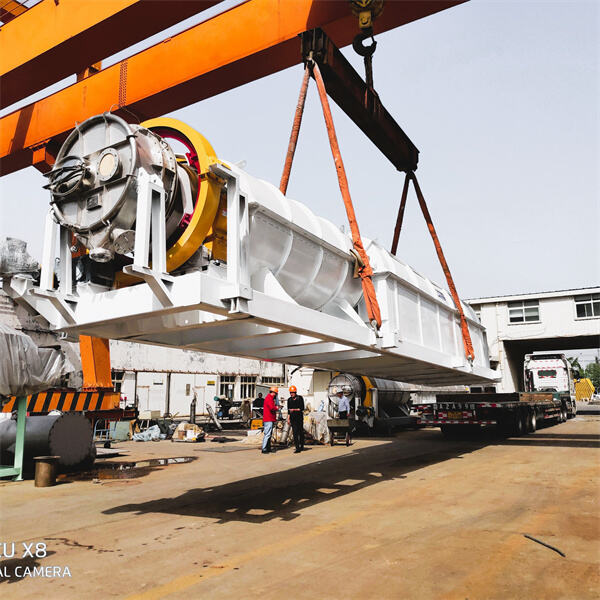
Secundo, temperatura necesse est diligenter regi dum implementatur. Usuarii debent se parare ad finem manipulandi (aut saltem adjustare calx) ut calcinatio fieri possit ex animo. Denique, velocitas rotationis fornacis optimizanda est etiam. Bene collocata rotatio potest assequi bene calefactum furnum, quod est clavis ad constantes resultatus.
1. Tianli habet varia producta et technologias nucleares cum distinctis iuribus proprietatis intellectualis et nunc detinet plus quam 250 patentia. Tianli accepit Praemium Excellentis Effectus pro Nationali Plano Scientiae et Technologiae Investigationis "Noni Quinquennii". Praeterea, primum praemium reportavit, simul cum calcinatione calcis in fornace rotativa et tribus praemiis tertiae classis in Praemio Progressus Scientiae et Technologiae Provinciae Shandong. Tianli participavit in elaboratione et publicatione quinque librorum et monographiarum ad normam pertinentium. 3. Centrum Investigationis et Systema Innovationis Tianli circulum virtuosum constituunt progressus technologici, productorum technicorum, atque apparatus siccatorii magnae scalae completi. Haec certificat continuam incrementi commercii progressionem.
Tianli, princeps societas calcinationis calcis in sectore siccationis in fornace rotatoria, est negotium nationale technologiae altae, Shandong Gazelle Enterprise et societas demonstrativa pro "Scitech Innovation and Reform". 2. Tianli centrum investigationis et investigationis et totam turmam plus quam 150 ingeniariorum habet. Centrum etiam centrum designationis Classis A cum solidis facultatibus designationis ingeniariae continet. 3. Clientibus officia magni valoris additi praebet, problemata ex prospectu clientium considerat et solvit, et auxilium clientibus in campis evolutionis technologiae, probationis experimentalis, designationis processuum, fabricationis productorum, institutionis et commissionis, officii post-venditionis et amplificationum technologiae offert; Tianli plus quam 3000 proiecta prospera in Sinis perfecit.
1 calcinatio calcis in fornace rotativa: maturum systema controlis qualitatis garantit altam qualitatem productorum ab hac societate offertorum. 2 Programmatio certa: Tianli habet centrum fabricandi instrumentorum 70 000 m² cum capacitate elaborandi annua de 5 tonis. Haec facultas potest ad aptandum programmatum productionis ad postulationes clientium et servandam temporis rationem. 3 Qualitas asservanda: per exactam selectionem instrumentorum nostrorum, indicatores productorum accurate constituuntur et necessitatibus mercati satisfaciunt cum altissima qualitate. 4 Innovatio technologica: concentratio in investigatione atque developmento et in continua innovatione technologica, novae technologiae rite evolvuntur, processus productionis emendantur, et competitivitas in mercatu retinetur.
Tianli est luxuosa societas branding et marketing sita in Provincia Shandong et est celeber in Provincia Shandong. Tianli est «Prima (Series) Fabricae Instrumentorum Technicorum Provinciae Shandong, Enterprise Championis Singularis Industriae Fabricandae Provinciae Shandong», etc. 2. Experientia Tianli in proiectis est praecipuum eius praerogativum. Societas feliciter perfecit fere tria milia proiectorum, quae includunt energiam novam, materiales ut biochemica, calcinationem calcis in fornacibus rotativis metallurgicis, et alias industrias.
 EN
EN
 AR
AR
 BG
BG
 HR
HR
 CS
CS
 DA
DA
 NL
NL
 FI
FI
 FR
FR
 DE
DE
 EL
EL
 HI
HI
 IT
IT
 JA
JA
 KO
KO
 NO
NO
 PL
PL
 PT
PT
 RO
RO
 RU
RU
 ES
ES
 SV
SV
 TL
TL
 IW
IW
 ID
ID
 SR
SR
 UK
UK
 VI
VI
 TH
TH
 TR
TR
 FA
FA
 AF
AF
 MS
MS
 UR
UR
 BN
BN
 LO
LO
 LA
LA
 MY
MY
 KK
KK
 UZ
UZ